What can a deficiency of growth hormone during bone formation cause
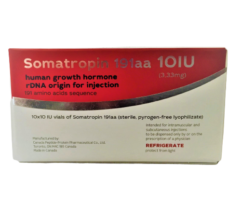
Growth hormone is a polypeptide hormone that affects the entire human body in one way or another from birth until death. In childhood this hormone promotes bone growth and the development of internal organs and tissues, and in adulthood it maintains a normal lean-to-fat ratio, affects sexual behavior, supports tissue regeneration, energy production, etc.
The hypothalamus and the hormones it produces are primarily responsible for controlling GH release, but not exclusively. Growth hormone secretion may be stimulated by other hormones (e.g., sex hormones or ghrelin), significant physical activity, but also by hunger. On the other hand, adrenal glucocorticosteroids or even the growth hormone itself may lead to a reduced release of somatotropin (its high concentration in the blood leads to a reduced production of GH by the pituitary gland).
How does GH work?
The basic mechanism of GH activity has long been studied and it is primarily known that the GH molecule binds to the double receptor on the cell surface with both ends of its polypeptide chain, which induces a series of biochemical reactions inside the cell after signal transmission through the transmembrane receptor domain, which can have different end effects depending on tissue type (fat tissue induces fat burning and muscle tissue enhances intramuscular protein synthesis). However, part of GH effects is related to its mediator, the peptide hormone IGF-1, which is secreted in response to GH action in the liver and is synthesized in some tissues (bones, muscles and even CNS).
How does the growth hormone affect the body?
The effect of growth hormone on the body is very wide – according to its name, it primarily affects the growth processes, but this is definitely not the only effect of GH. In general, somatotropin can be regarded as an anabolic hormone. It exerts a number of metabolism-boosting changes, such as:
- stimulating lipolysis (fatty compounds breakdown);
- increase in protein synthesis;
- an increase in blood glucose levels (which occurs both due to GH stimulating the process of glucose production, i.e. gluconeogenesis, but also through reduced glucose uptake by the liver);
- stimulating immune system function;
- stimulating the conversion of thyroxine to the more active triiodothyronine;
- stimulation of muscle growth;
- stimulation of bone mineralization (among other things, due to increased calcium retention in the body).
Some of these effects are due to the direct action of growth hormone on cells, while others are mediated by certain peptides. These are somatomedins, also called insulin-like growth factors (IGF), produced in the liver. Somatotropin stimulates the IGF synthesis, and these compounds, in turn, have a primary effect in stimulating the body’s growth – thanks to somatomedins, the development of growth cartilage in the bones is stimulated.
Growth hormone deficiency is easiest to notice in children, when their growth is slowed down. In the case of insufficient production of GH, delayed puberty may also occur. Growth hormone deficiency in adults is slightly different – their growth processes are complete, therefore, it is not the growth deficiency that the patients complain about.
Growth retardation combined with lack of appetite and low body weight is also observed in children. This is part of the so-called orphan disease.
Another, much more rare cause of short stature may be hormonal disorders, such as growth hormone deficiency, hypothyroidism or excess of hormones (glucocorticosteroids) secreted by the adrenal cortex. In short children genetically determined syndromes causing abnormalities of bone length growth should also be excluded. Most often short stature is accompanied by abnormal body proportions. Relatively long trunk with short limbs is present, for example, in genetically conditioned chondrodystrophy or chondrodysplasia. In short girls it is also important to exclude Turner’s syndrome caused by a deficiency of one of the sex chromosomes.
Growth deficiency often occurs in children with chronic diseases of the gastrointestinal tract (including liver disease), lung disease (e.g. cystic fibrosis), kidney disease, osteoarticular disease or in children with severe congenital heart defects.
A child with short stature is often generally healthy. If the rate of growth is slowly reduced, short stature can only be noticed at preschool age by comparing your own child with a group of peers.
Severe congenital growth hormone deficiency in an infant often results in penile underdevelopment and seizures due to a decrease in blood sugar. Low growth is then noticeable as early as the first or second year of life. If the hormone deficiency is not severe, the child’s growth slows down in later years. A very rare cause of short stature is a lack of insulin-like factor 1 (IGF-1) or a lack of tissue sensitivity to normal levels of growth hormone.
An alarming sign is a significant slowing down or stunting of growth in a previously normal growing child. This may be a sign of a tumor destroying the pituitary gland (the gland that secretes growth hormone).