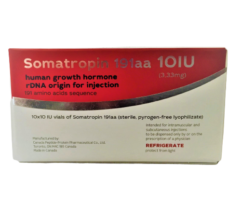
Where is growth hormone produced
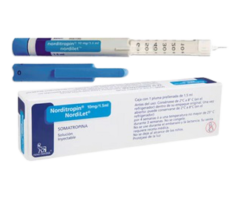
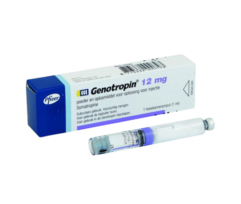
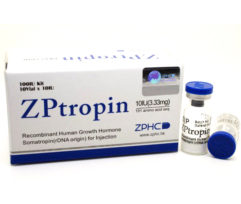
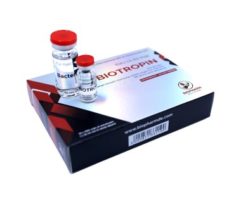
Growth hormone is a hormone produced by cells of the pituitary gland. The secretion of somatotropin depends on age and sex, and its main function is anabolic to stimulate weight gain, body growth and metabolism. Too low or too high levels of somatotropin can lead to growth disorders. Children with growth hormone deficiency may be treated with human recombinant somatotropin.
Growth hormone – what is it and how does somatotropin work?
Growth Hormone (GH), or somatotropin, is a polypeptide hormone made up of approximately 191 amino acids, synthesized by the anterior lobe of the pituitary gland in response to regulation by somatostatin (which inhibits GH secretion) and somatolibrin (which increases its secretion). Mediated by insulin-like growth factor (IGF-1), somatotropin stimulates the growth of tissues, cartilage of the epiphyses of long bones, and organs of the body; moreover, it stimulates the synthesis of nucleic acids, enhances cell division processes and protein synthesis, and affects lipolysis and hyperglycemia.
Disorders of growth hormone production are mainly associated with damage and dysfunction of the pituitary gland and may result, first of all, in too low or too high height observed in the patient. The somatotropin level tests are performed, among others, in the diagnosis of the causes of short stature or gigantism in children or too tall stature – acromegaly in adults, in the suspicion of pituitary tumors producing hormones (including GH) and in the course of treatment with recombinant growth hormone.
Growth hormone – how it works
Growth hormone affects the body by stimulating the production of mediating peptides in the liver and others in the tissues (especially muscle tissue). These are the somatomedins IGF-1 and IGF-2. The action of growth hormone is quite broad:
- plays an important role in muscle mass growth;
- it stimulates growth of long bones and organs and weight gain;
- it also plays an important role in the synthesis of nucleic acids;
- takes part in the process of cell division and protein synthesis;
- influences carbohydrate metabolism;
- induces fat burn;
- improves skin condition;
- takes care of concentration and good mood.
Moreover, acting on adipose tissue, it increases lipolysis and reduces lipogenesis, which leads to an increase in the concentration of free fatty acids in blood plasma and extensive fat loss.
Growth hormone – importance
The growth of the body would be impossible without growth hormone. Thanks to GH, the cartilage in long bones expands and the bones become longer. This is accompanied by an increase in body weight. Other tasks of somatotropin are also (as mentioned before) the proteins synthesis, fat and carbohydrates metabolism. Thanks to this, valuable substances such as phosphorus ions are retained in the body.
In addition, growth hormone accelerates and stimulates glycogenolysis and glucose secretion. As a result, the process of lipolysis (breakdown of triglycerides into fatty acids and glycerol) in adipose tissue is significantly increased. And finally, growth hormone has a positive effect on the appearance and thickness of our skin. It improves concentration and has a positive effect on our mood.